
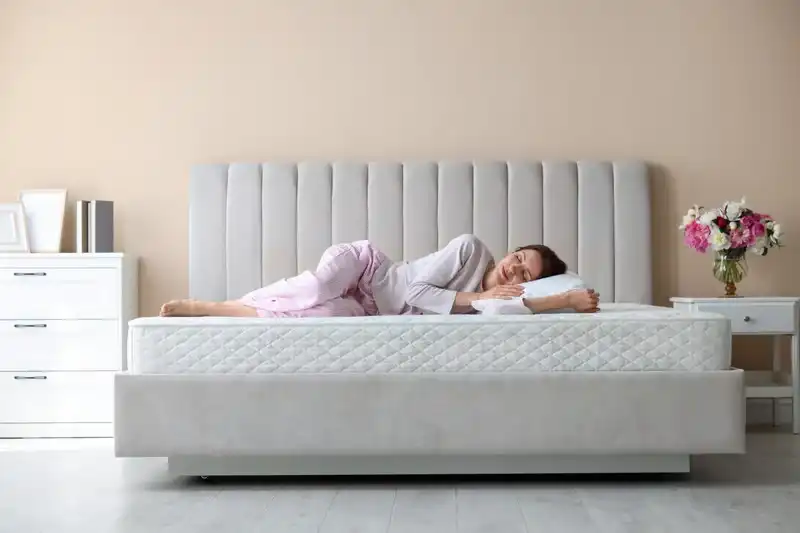
Buying a mattress has become more complicated than ever before. Consumers no longer choose between just a few models displayed in a local showroom. Instead, they face hundreds of online brands, countless comfort options, advanced sleep technologies, and marketing claims that promise perfect sleep. Among these choices, hybrid mattresses have become one of the fastest-growing categories because they combine multiple sleep technologies into a single product. While this variety offers greater flexibility, it also makes selecting the right mattress far more challenging.
This is where hybrid mattress reviews become incredibly valuable. Rather than relying solely on advertising or manufacturer descriptions, buyers can examine independent evaluations, professional testing, and real customer experiences before investing in a mattress that may be used every night for the next eight to ten years. Since a quality hybrid mattress often represents a significant financial investment, understanding whether a model truly delivers long-term value becomes essential.
Good reviews provide far more than simple comfort ratings. They analyze construction quality, pressure relief, cooling performance, edge support, durability, motion isolation, responsiveness, and suitability for different sleeping positions. Together, these insights help buyers determine whether a mattress offers genuine value or simply carries an attractive marketing campaign.
Understanding how to interpret hybrid mattress reviews allows consumers to make informed purchasing decisions based on evidence rather than advertising promises. Instead of chasing the cheapest price, buyers learn how to identify mattresses that provide lasting comfort, consistent support, and worthwhile long-term performance.
Why Hybrid Mattresses Continue to Grow in Popularity
Hybrid mattresses have become increasingly popular because they successfully combine features traditionally associated with different mattress types. Instead of forcing consumers to choose between supportive innerspring mattresses and pressure-relieving foam designs, hybrid construction integrates both technologies to create a more balanced sleeping experience.
Modern sleepers expect mattresses to address multiple concerns simultaneously. Comfort alone is no longer sufficient. People also want proper spinal alignment, effective temperature regulation, motion isolation for couples, durability, responsiveness, and compatibility with adjustable bed frames. Hybrid mattresses attempt to satisfy these expectations by carefully layering advanced comfort materials over individually wrapped coil systems.
As manufacturers continue improving material technology, hybrid mattresses have evolved beyond simple combinations of springs and foam. Many premium models now incorporate memory foam, latex, gel-infused foams, transition layers, zoned support systems, reinforced edges, breathable fabrics, and cooling technologies designed to improve overall sleep quality.
This increasing sophistication explains why consumers frequently consult hybrid mattress reviews before purchasing. Understanding subtle differences between construction methods becomes increasingly important as product options continue expanding.
Understanding the Hybrid Mattress Design
Unlike traditional innerspring mattresses that rely primarily on interconnected metal coils, hybrid mattresses utilize multiple carefully engineered layers working together to provide both comfort and structural support.
The upper comfort layers typically include memory foam, latex, polyfoam, or specialized pressure-relieving materials designed to cushion shoulders, hips, and other pressure points. These layers conform gently to body contours while reducing localized stress that often causes discomfort during extended sleep.
Beneath the comfort system lies the defining characteristic of hybrid construction: individually wrapped pocket coils. Unlike connected spring systems, pocket coils move independently, allowing each section of the mattress to respond separately to body weight and movement. This improves contouring while reducing motion transfer between sleeping partners.
Additional transition layers often separate the comfort foam from the support coils, creating smoother weight distribution while preventing sleepers from feeling the underlying springs directly. Many premium hybrids also include reinforced perimeter coils that strengthen edge support, allowing sleepers to utilize the entire mattress surface comfortably.
This layered engineering enables hybrid mattresses to combine contouring comfort with stable support, creating balanced performance across diverse sleeping preferences.
The Balance Between Comfort and Support
Finding the proper balance between softness and support remains one of the most important factors influencing sleep quality. Mattresses that feel excessively soft may allow the spine to sink out of proper alignment, while overly firm surfaces often create painful pressure points that interrupt restful sleep.
Hybrid mattresses attempt to solve this challenge by separating comfort from structural support. Soft upper layers cushion sensitive joints while deeper coil systems maintain spinal alignment throughout the night.
This combination appeals to a broad range of sleepers. Side sleepers often appreciate improved pressure relief around shoulders and hips, back sleepers benefit from balanced spinal support, and combination sleepers enjoy responsive surfaces that facilitate changing positions without excessive effort.
Many hybrid mattress reviews specifically evaluate this balance because comfort preferences vary significantly between individuals. Professional reviewers frequently analyze firmness perception alongside objective support characteristics, helping readers identify mattresses suited to their preferred sleeping positions.
Rather than focusing solely on softness, valuable reviews examine whether comfort materials continue providing proper alignment after months or years of regular use.
How Hybrid Mattress Reviews Influence Smarter Buying Decisions
Purchasing a mattress without adequate research often leads to disappointment because comfort cannot be evaluated solely through specifications or marketing descriptions. Two mattresses advertising similar materials may perform very differently once used consistently over time.
Hybrid mattress reviews bridge this information gap by combining technical analysis with real-world sleeping experiences. Professional reviewers evaluate measurable characteristics including firmness, cooling performance, motion isolation, responsiveness, pressure relief, and edge stability under controlled conditions.
Customer reviews contribute additional perspectives by revealing long-term durability, consistency, customer service experiences, warranty support, delivery quality, and satisfaction after extended ownership. While individual opinions naturally vary, recurring themes across numerous reviews often identify genuine product strengths and weaknesses.
Reviews also help consumers avoid common purchasing mistakes. Many buyers assume higher prices automatically indicate superior quality, yet detailed evaluations frequently reveal mid-range mattresses outperforming significantly more expensive alternatives in specific performance categories.
Likewise, reviews expose situations where attractive promotional pricing conceals shortcomings involving durability, material quality, or long-term support.
Instead of relying exclusively on advertising language emphasizing luxury or innovation, informed buyers compare objective performance evidence before making purchasing decisions.
What Makes a Hybrid Mattress Worth the Price?
Value extends beyond purchase price alone. A mattress delivering consistent comfort for ten years ultimately provides better financial value than a cheaper alternative requiring replacement after only four or five years.
Determining genuine value therefore requires evaluating multiple performance characteristics simultaneously rather than concentrating exclusively on cost.
Construction Quality and Materials
Construction quality forms the foundation of every durable mattress. Premium foams, resilient support coils, reinforced stitching, breathable fabrics, and carefully engineered layering all contribute significantly to long-term performance.
Higher-density foams generally resist permanent impressions more effectively than lower-density alternatives. Individually wrapped coils manufactured using durable steel maintain structural integrity longer while improving independent support across the mattress surface.
Fabric quality also influences durability. Breathable covers improve temperature regulation while strong stitching prevents premature wear around seams subjected to repeated movement.
Hybrid mattress reviews frequently examine these construction details because material quality directly influences expected lifespan. Buyers focusing exclusively on comfort during initial use may overlook manufacturing characteristics determining performance years later.
Understanding construction enables consumers to distinguish meaningful engineering improvements from purely cosmetic marketing features.
Pressure Relief and Spinal Alignment
One of the primary reasons consumers invest in hybrid mattresses involves improved ergonomic support. Effective pressure relief reduces discomfort affecting shoulders, hips, knees, and lower back while encouraging healthier sleeping posture.
Professional reviewers typically evaluate pressure distribution using body position analysis and practical sleeping tests. Mattresses performing well maintain relatively neutral spinal alignment regardless of sleeping position while minimizing localized pressure accumulation.
Proper alignment contributes not only to immediate comfort but also to reduced morning stiffness and improved long-term musculoskeletal health. Consequently, mattresses demonstrating balanced pressure relief often provide greater overall value despite slightly higher purchase prices.
Reviewers commonly separate comfort perception from actual support quality because mattresses initially feeling luxurious may eventually permit excessive body sinkage that compromises spinal alignment over extended use.
Cooling Performance and Breathability
Temperature regulation has become an increasingly important purchasing consideration as many sleepers report overheating during the night. Excessive heat interrupts sleep cycles, reducing overall sleep quality even when mattress comfort appears satisfactory.
Hybrid mattresses generally outperform traditional memory foam designs regarding airflow because open coil systems permit greater internal ventilation. Manufacturers further enhance cooling using breathable covers, perforated latex, gel-infused foams, phase-change materials, moisture-wicking fabrics, and advanced airflow channels.
Hybrid mattress reviews carefully examine whether these technologies produce meaningful performance improvements under realistic sleeping conditions. Rather than accepting cooling claims at face value, reviewers often compare temperature regulation across competing models through practical overnight evaluations.
Evaluating Real Customer Reviews Versus Professional Testing
Choosing a mattress based on a single glowing review or a manufacturer’s promotional claims can easily lead to disappointment. The most reliable purchasing decisions come from comparing professional testing with large numbers of verified customer experiences. Each type of review provides unique insights, and together they paint a much clearer picture of how a hybrid mattress performs over time.
What Genuine User Experiences Reveal
Real customer reviews offer valuable information because they reflect everyday use in actual homes rather than controlled testing environments. People often describe how a mattress feels after several months or even years of ownership, providing details about durability, comfort changes, customer service experiences, and warranty claims that cannot be evaluated during short-term testing.
Many reviewers also explain how the mattress performed for specific body types and sleeping positions. A lightweight side sleeper may describe excellent pressure relief, while a heavier back sleeper may comment on the firmness and lumbar support. These experiences help prospective buyers determine whether a mattress suits their individual needs instead of relying on generalized marketing language.
Verified customer reviews also expose recurring problems that may not appear immediately. If hundreds of buyers report premature sagging, poor edge support, excessive heat retention, or disappointing customer service, those patterns deserve careful consideration. Likewise, consistently positive feedback regarding comfort, durability, and sleep quality often indicates a product that delivers lasting value.
Rather than focusing on isolated positive or negative comments, experienced shoppers evaluate overall trends across numerous verified reviews. Consistent patterns provide much stronger evidence than individual opinions.
Why Expert Mattress Reviews Matter
Professional reviewers evaluate mattresses using standardized methods that reduce personal bias. Instead of simply describing comfort preferences, experts examine measurable characteristics such as firmness levels, pressure distribution, motion isolation, responsiveness, cooling efficiency, edge stability, and construction quality.
Many review organizations use specialized testing equipment alongside practical sleep trials to compare mattresses under identical conditions. This allows consumers to understand how different models perform relative to one another instead of relying solely on subjective opinions.
Professional reviews also explain the engineering behind mattress performance. They evaluate foam densities, coil counts, layer construction, cover materials, and support systems that influence durability over many years. These technical assessments help buyers understand why one mattress may outperform another despite similar marketing claims.
The most informed purchasing decisions combine professional testing with large numbers of authentic customer reviews. Together they provide both objective performance analysis and practical long-term ownership experiences.
Comparing Features That Deliver Better Long-Term Value
Price alone does not determine value. A slightly more expensive mattress may ultimately cost less over its lifetime if it provides better durability, greater comfort consistency, and fewer replacement expenses. Understanding which features contribute most to long-term satisfaction helps buyers invest wisely.
Durability and Expected Lifespan
Durability represents one of the strongest indicators of overall mattress value. Most high-quality hybrid mattresses are designed to last between eight and ten years when properly maintained. However, actual lifespan depends heavily on material quality, manufacturing standards, and daily use.
Higher-density comfort foams generally resist body impressions more effectively than lower-density alternatives. Strong individually wrapped coils maintain structural support longer than inexpensive spring systems. Reinforced edge construction prevents premature collapse along mattress borders, an area that experiences frequent pressure.
Professional reviews often inspect material quality carefully because external appearance alone rarely reveals long-term durability. Internal construction determines whether a mattress maintains consistent comfort after thousands of nights of use.
Consumers should also consider manufacturer warranties, although warranty coverage differs from expected lifespan. A long warranty demonstrates confidence in construction quality, but buyers should understand the specific conditions covered before making assumptions about long-term protection.
Motion Isolation and Edge Support
For couples, motion isolation significantly influences sleep quality. A mattress with poor motion control transfers movement whenever one partner changes position, enters or exits the bed, or gets up during the night. High-quality hybrid mattresses minimize this disturbance through individually wrapped coils combined with effective comfort foams.
Professional testing frequently measures motion transfer using standardized impact tests. Reviews comparing multiple mattresses under identical conditions help buyers identify models offering quieter, more restful sleep for couples.
Edge support also contributes to overall value. Strong edges increase the usable sleeping surface, improve sitting stability, and simplify getting into and out of bed. This feature becomes particularly important for older adults and anyone with mobility concerns.
Hybrid mattress reviews often highlight edge performance because reinforced perimeter coils vary considerably between manufacturers. Strong edge support improves both comfort and perceived mattress size while contributing to long-term structural stability.
Trial Periods, Return Policies, and Warranty Coverage
Purchasing a mattress online involves an element of uncertainty because comfort cannot be fully evaluated in a showroom or through product descriptions. Fortunately, many hybrid mattress manufacturers now offer generous sleep trials that allow buyers to test the mattress in their own homes.
Most reputable brands provide trial periods ranging from approximately 90 to 365 nights. This extended testing period gives sleepers time to adjust to the mattress and determine whether it truly meets their comfort needs. Since the body often requires several weeks to adapt to a new sleep surface, generous trial periods offer meaningful protection against costly purchasing mistakes.
Return policies also deserve careful attention. Some companies provide free returns and pickup services, while others charge transportation or restocking fees. Reading reviews often reveals whether companies honor return policies smoothly or create unnecessary difficulties during the process.
Warranty terms should also be examined carefully. While many warranties extend for ten years or longer, coverage conditions vary significantly. Understanding indentation depth requirements, usage guidelines, and excluded damage helps consumers interpret warranty value realistically.
Matching Hybrid Mattresses to Different Sleeping Styles
No single mattress performs perfectly for every sleeper. Body weight, preferred sleeping position, temperature preferences, and medical considerations all influence which hybrid mattress provides the greatest value.
Side sleepers generally benefit from softer comfort layers that reduce pressure around the shoulders and hips while maintaining proper spinal alignment. Reviews discussing pressure relief often prove especially valuable for these individuals.
Back sleepers usually require balanced firmness that supports the natural curvature of the spine without excessive sinking. Medium-firm hybrid mattresses frequently perform well in this category because they combine cushioning with stable underlying support.
Stomach sleepers often need firmer surfaces that prevent excessive hip sinkage, reducing strain on the lower back. Reviews evaluating spinal alignment under stomach sleeping positions provide particularly useful guidance.
Combination sleepers who frequently change positions during the night often prefer responsive hybrid mattresses that make movement easier while maintaining consistent support across multiple sleeping positions.
Heavier individuals may prioritize reinforced support systems, thicker comfort layers, and higher-density materials capable of maintaining comfort under increased pressure. Professional reviews frequently identify models specifically engineered for greater durability under heavier body weights.
FAQs
Can hybrid mattress reviews really help identify the best value for money?
Yes. Professional reviews and verified customer experiences provide valuable information about comfort, durability, cooling performance, support, motion isolation, and long-term satisfaction. These insights help buyers compare actual performance instead of relying solely on marketing claims.
Are expensive hybrid mattresses always better?
Not necessarily. Many mid-priced hybrid mattresses perform exceptionally well because they use quality materials and thoughtful construction. Reviews often reveal affordable models that deliver comfort and durability comparable to premium-priced alternatives.
What should I look for when reading hybrid mattress reviews?
Pay close attention to construction quality, pressure relief, spinal support, cooling ability, motion isolation, edge support, durability, warranty coverage, and feedback from reviewers with similar body types and sleeping positions.