
Sleep is one of those things you do not truly appreciate until you start losing it. And for millions of people, the culprit is not stress or screen time. It is the mattress underneath them. A mattress that felt fine two years ago suddenly feels like a slab of concrete or a worn-out trampoline, and every morning brings a stiff lower back, numb shoulders, or a neck that takes an hour to loosen up. Hybrid mattresses have become the most recommended solution by sleep specialists and chiropractors alike, because they combine the pressure-relieving comfort of foam with the responsive support of innerspring coils. But not every hybrid works for every sleeper. Your sleep position changes everything, from the firmness you need to the type of comfort layer that actually helps rather than hurts. This guide walks through exactly what back sleepers, side sleepers, and stomach sleepers need from a hybrid mattress, and which options consistently deliver.
What Makes a Hybrid Mattress Different From Everything Else
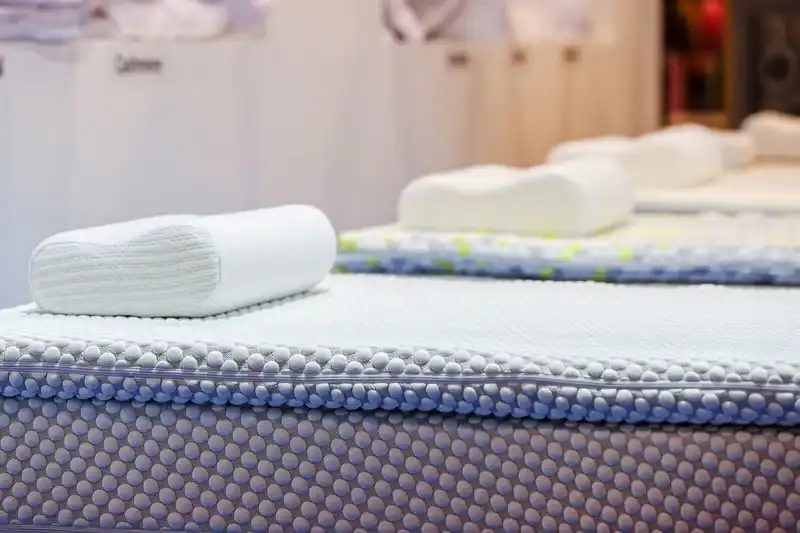
A hybrid mattress is not just a marketing term. It refers to a specific construction that combines a coil support core with one or more comfort layers made from foam, latex, or fiber on top. The coil system, typically pocketed coils where each spring is individually wrapped, provides the foundational support, bounce, and airflow that pure foam mattresses lack. The comfort layers on top add the contouring and pressure relief that traditional innerspring mattresses have always struggled to deliver. The result is a mattress that handles the competing demands of support and comfort better than either category can manage alone. Hybrid mattresses also tend to sleep cooler than all-foam options because the coil layer allows air to circulate through the mattress rather than trapping heat around the body. For couples, the individually wrapped coils dramatically reduce motion transfer compared to traditional interconnected spring systems, meaning one partner turning over in the night is far less likely to disturb the other. These structural advantages explain why hybrid mattresses have overtaken both memory foam and traditional innerspring as the most purchased mattress category among consumers doing serious research before buying.
Understanding Coil Systems and Their Impact on Support
Not all coil systems in hybrid mattresses are created equal, and the differences matter significantly depending on your sleep position and body weight. The most common type found in quality hybrid mattresses is the individually pocketed coil, sometimes called Marshall coils, where each spring operates independently inside its own fabric pocket. This design allows the mattress to contour more closely to the body’s curves compared to traditional Bonnell or offset coils, which are connected and move as a unit. The coil gauge, which refers to the thickness of the wire, also affects the feel. Higher gauge numbers mean thinner, softer wire, while lower numbers mean thicker, firmer coils. A coil count in the range of one thousand to two thousand for a queen-size mattress is generally considered adequate for most sleepers, though coil count alone is not a reliable quality indicator without also considering the gauge and zoning design. Zoned coil systems, which use firmer coils under the hips and lumbar region and softer coils under the shoulders, are particularly valuable for back and side sleepers because they provide differentiated support where the body needs it most.
Comfort Layers: Foam, Latex, and Everything In Between
The comfort layer is where you feel the mattress most directly, and understanding the material differences helps you make a far more informed choice. Memory foam comfort layers offer the deepest contouring and pressure relief, conforming closely to the body’s shape and distributing weight evenly across a wider surface area. This makes memory foam hybrids popular with side sleepers and lighter-weight back sleepers who need the mattress to meet their curves. The downside of traditional memory foam is that it retains heat and can feel slow to respond, creating a stuck or sinking sensation that some sleepers find uncomfortable. Gel-infused memory foam and copper-infused foam address the heat retention issue to varying degrees. Latex comfort layers behave quite differently. Natural latex is responsive, bouncy, and naturally temperature-neutral, conforming to the body but springing back quickly rather than cradling slowly. Latex hybrids tend to feel livelier and more supportive on the surface, which is why stomach sleepers and active combination sleepers often prefer them. Polyfoam comfort layers are the most common and least expensive option, offering a middle ground between the deep hug of memory foam and the responsiveness of latex. The quality of the polyfoam, measured in pounds-per-cubic-foot density, varies enormously across the market and is one of the primary differentiators between budget and premium hybrid mattresses.
What Back Sleepers Actually Need From a Hybrid Mattress
Back sleeping is widely considered the most neutral position for spinal alignment, but that does not mean any mattress will work. A back sleeper needs a hybrid that supports the natural inward curve of the lumbar spine without either letting the hips sink too deep or holding them up so high that the lower back is forced into an unnatural arch. The lumbar region is the most vulnerable part of a back sleeper’s spine, and a mattress that fails to support it adequately leads to the chronic lower back pain that sends so many people to chiropractors. For most back sleepers, a medium to medium-firm hybrid in the range of five to seven on a ten-point firmness scale provides the best combination of support and comfort. The comfort layer needs to be thick enough to cushion the shoulder blades and the back of the head, but not so thick or soft that the hips begin to sink lower than the shoulders. Body weight plays a significant role here. Lighter sleepers under one hundred and thirty pounds often find that a medium hybrid works beautifully, while heavier sleepers above two hundred pounds typically need a firmer option with a more robust coil system to prevent excessive sinkage.
Top Hybrid Mattress Picks for Back Sleepers
Among the consistently top-rated hybrid mattresses for back sleepers, the Saatva Classic stands out as one of the most thoughtfully engineered options available. It uses a dual coil system, with a layer of individually wrapped pocketed coils sitting on top of a base layer of tempered steel coils, which provides exceptional lumbar support and durability. The Euro pillow top on the surface adds enough comfort to prevent pressure buildup at the shoulder blades and tailbone without compromising the underlying support structure. It is available in three firmness options, and the Luxury Firm version has become the default recommendation for back sleepers across virtually every professional mattress review platform. The WinkBed is another strong contender, particularly for heavier back sleepers. Its zoned support system uses firmer coils in the center third of the mattress where the hips and lumbar region rest, with slightly softer coils at the head and foot zones, creating a customized support profile that passive feels specifically designed for back sleeping. The Bear Elite Hybrid is worth mentioning for active individuals and back sleepers who run hot, as its Celliant cover and copper-infused foam comfort layers are specifically designed to manage heat and promote circulation during sleep, while the zoned coil system delivers reliable lumbar support across a wide range of body weights.
What Side Sleepers Need From a Hybrid Mattress
Side sleeping is the most common sleep position, but it is also the most demanding on a mattress in terms of pressure relief. When you lie on your side, the full weight of your body concentrates into two relatively small contact points, the shoulder and the hip. If the mattress is too firm to allow those points to sink in appropriately, pressure builds quickly, cutting off circulation and causing the numbing, tingling sensation that wakes side sleepers in the middle of the night. Over time, a mattress that is too firm for side sleeping creates chronic shoulder pain and hip pain that persists well into the day. Side sleepers need a hybrid with a softer, deeper comfort layer that allows the shoulder and hip to compress into the mattress while the spine remains aligned in a straight, neutral line from neck to pelvis. A softer to medium firmness in the range of three to six on the firmness scale is appropriate for most side sleepers, with lighter individuals needing the softer end and heavier individuals needing more support toward the middle of that range to prevent complete bottoming out on the coil layer.
Top Hybrid Mattress Picks for Side Sleepers
The Helix Midnight is arguably the most consistently recommended hybrid mattress for side sleepers across the industry, and the reputation is earned. It features a medium feel with a memory foam comfort layer that provides significant shoulder and hip pressure relief, and its individually wrapped coil base prevents the motion transfer and edge instability that cheaper hybrids struggle with. The zoned support system in the Helix Midnight is particularly well-suited to side sleeping because it allows the shoulders to sink in while keeping the waist and hips at an appropriate height to maintain spinal alignment. For side sleepers who prefer latex over foam, the Birch Natural Hybrid from Helix is an exceptional option. It uses certified organic latex as the primary comfort material, which provides deep pressure relief with a more responsive, less enveloping feel than memory foam. The natural latex also sleeps cooler and is more durable than foam alternatives, making it a long-term investment. The Nolah Evolution is another top-performing option for side sleepers, particularly those who sleep hot or share a bed with a partner. Its AirFoam comfort layer is specifically engineered for cooling and pressure relief simultaneously, and the reinforced edge coils provide excellent support all the way to the perimeter of the mattress, which side sleepers who sleep near the edge will immediately appreciate.
What Stomach Sleepers Need From a Hybrid Mattress
Stomach sleeping is widely considered the most challenging position for spinal health, and finding the right mattress is genuinely critical for anyone who cannot break the habit. When you sleep on your stomach, the weight of your torso tends to push the midsection downward, causing the lumbar spine to arch upward in an exaggerated curve. If the mattress is too soft, the hips sink deeply, and that lumbar arch becomes severe enough to cause significant lower back pain and nerve compression over time. Stomach sleepers therefore need a firmer hybrid than any other sleep position, one that keeps the hips elevated and the spine in a relatively flat, neutral alignment. A firmness in the range of six to eight on the ten-point scale is appropriate for most stomach sleepers, with heavier individuals typically needing the firmer end of that range. The comfort layer for stomach sleepers should be relatively thin, providing just enough surface cushioning to prevent pressure on the chest and pelvis without allowing meaningful sinkage. Thick, plush comfort layers are counterproductive for stomach sleepers regardless of how inviting they feel initially.
Top Hybrid Mattress Picks for Stomach Sleepers
The DreamCloud Premier is one of the strongest choices for stomach sleepers who want a luxury hybrid without compromising on the firmness level their position demands. Its cashmere-blend cover and gel memory foam comfort layer provide a surface that feels genuinely premium, while the high-density foam transition layer and tempered steel coil system beneath prevent the hip sinkage that would otherwise compromise spinal alignment. The medium-firm version consistently receives high marks from stomach sleepers across independent testing platforms for its ability to balance comfort at the surface with firm, reliable support underneath. The Plank Firm Hybrid from Brooklyn Bedding is the most directly targeted option for stomach sleepers in the market, as it is specifically designed and marketed around the needs of firm-preference and stomach sleepers. One side offers a firm feel, and the other side offers an extra-firm feel, making it the most adjustable option for stomach sleepers who are unsure exactly how much firmness they need. Its individually wrapped coils are robust enough to prevent sinkage even for heavier stomach sleepers, and the thin quilted comfort layer keeps the surface from feeling unpleasantly hard while still providing the positional support the spine needs. The Titan Plus Hybrid from Brooklyn Bedding is specifically engineered for heavier individuals, including heavier stomach sleepers, with a firmer coil gauge and denser foam layers that prevent the premature sagging that standard hybrid mattresses often develop under consistent high-weight pressure.
Combination Sleepers and How to Choose When You Switch Positions
Not everyone wakes up in the same position they fell asleep in. Combination sleepers, those who shift between back, side, and stomach positions throughout the night, face the most complex mattress selection challenge because no single position’s ideal firmness perfectly aligns with another’s. The practical solution for most combination sleepers is to identify their primary or dominant sleep position, the one they spend the most time in or fall asleep in most consistently, and select a hybrid optimized for that position while accepting minor compromises for secondary positions. Medium and medium-firm hybrids tend to serve combination sleepers most broadly because they sit at the intersection of support and comfort, handling both side and back sleeping reasonably well. The responsiveness of the coil system matters particularly for combination sleepers, who need to shift positions without fighting the mattress. Highly responsive hybrids with latex comfort layers or relatively thin foam comfort layers make repositioning effortless, while deep memory foam comfort layers can create resistance that disrupts movement and partial wakefulness.
Final Thought
The best hybrid mattress is not the one with the most features or the highest price tag. It is the one that matches your body, your sleep position, and the way you actually rest at night. Back sleepers need support that holds the lumbar curve in place. Side sleepers need softness that protects the shoulder and hip. Stomach sleepers need firmness that keeps the spine flat and the hips elevated. Once you understand what your body genuinely needs, the choice becomes far less overwhelming. Invest the time to get it right, because a great mattress does not just improve your nights. It quietly transforms everything that happens during your days, your energy, your focus, your mood, and how your body feels from the moment you wake up.