
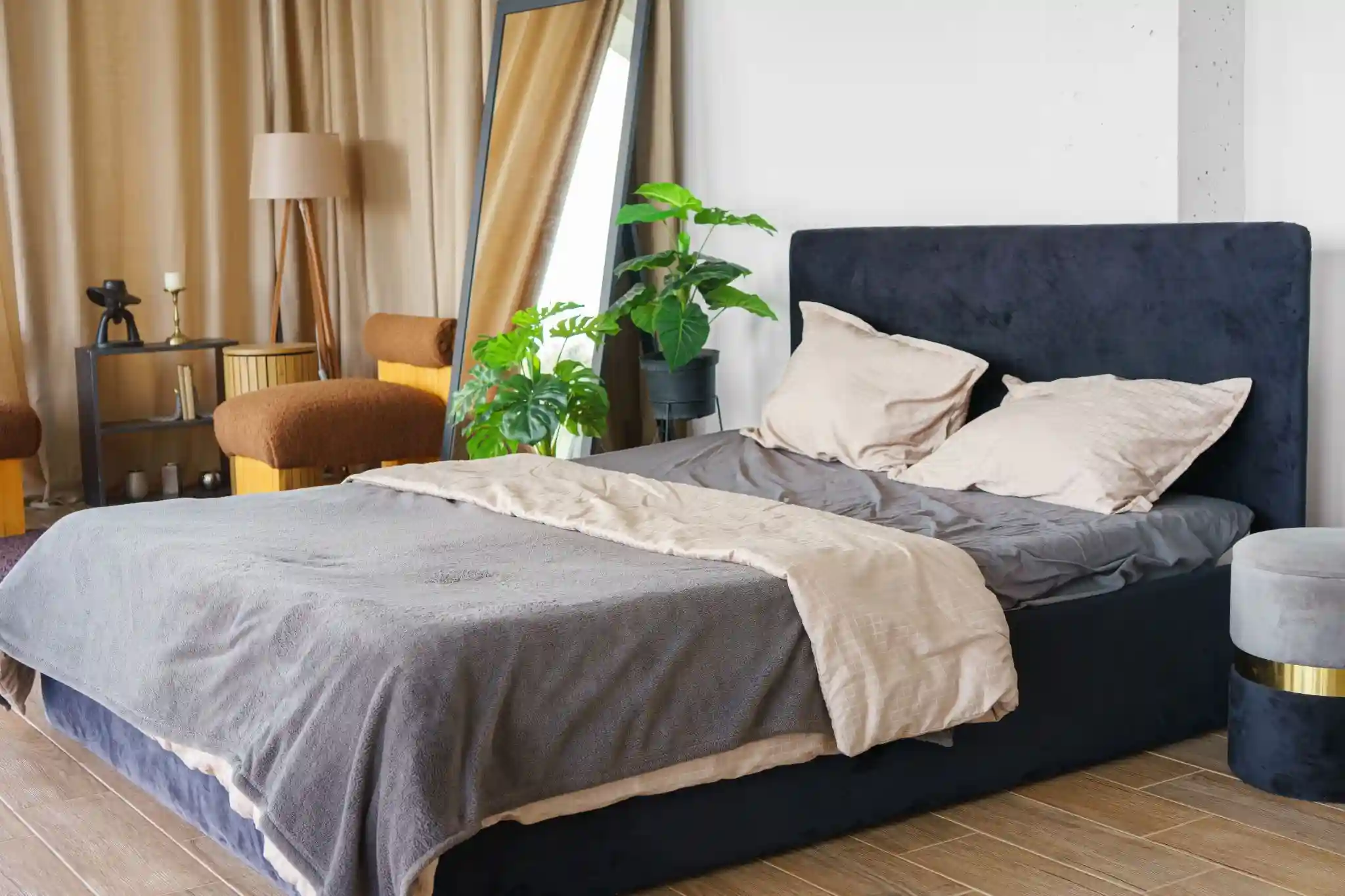
A bed frame is more than just a structure that holds a mattress. It defines the visual center of the bedroom and sets the tone for the entire space. When people enter a room, their eyes naturally gravitate toward the bed. This makes choosing a bed frame one of the most influential design decisions in any bedroom setup. A poorly chosen frame can make even a well-decorated room feel unbalanced, while the right one can elevate the entire environment. Beyond appearance, the frame also provides structural support, influencing comfort, durability, and long-term usability. It is both a design anchor and a functional core.
Balancing aesthetics and functionality in bed frame selection
Many people focus heavily on style when selecting a bed frame, but functionality is equally important. A visually appealing frame that lacks stability or practical features quickly becomes a problem in daily use. The goal is to find a balance between design and usability. A modern minimalist frame may look clean and elegant, but if it lacks proper support or storage, it may not suit practical needs. On the other hand, a highly functional frame with built-in storage may look bulky if not chosen carefully. Successful choosing a bed frame involves aligning visual preferences with lifestyle requirements, ensuring that the frame enhances both comfort and convenience.
Popular bed frame styles and their design impact
Bed frame styles vary widely, and each style creates a different atmosphere in the room. Minimalist frames emphasize simplicity and open space, making them ideal for modern interiors. Traditional frames with detailed woodwork create a classic and timeless feel. Upholstered frames add softness and luxury, often becoming statement pieces within the room. Platform beds offer a low-profile look that suits contemporary design trends. The style you choose directly affects how the rest of the room is perceived. It influences furniture selection, wall decor, and even lighting choices. Thoughtful choosing a bed frame ensures that the style complements the overall design rather than conflicting with it.
How materials influence overall room aesthetics
Materials play a critical role in defining the look and feel of a bed frame. Wooden frames bring warmth and natural texture, making the room feel inviting. Metal frames create a sleek and industrial appearance, often suited for modern or urban interiors. Upholstered frames introduce softness and comfort, adding a cozy and refined touch. Mixed-material frames combine elements like wood and metal for a balanced aesthetic. Each material interacts differently with light, color, and surrounding furniture. Choosing the right material is essential for achieving a cohesive design.
Space optimization and layout considerations
Room size and layout significantly influence bed frame selection. In smaller bedrooms, bulky frames can overwhelm the space and reduce functionality. Compact or low-profile frames help create a sense of openness. Storage beds are especially useful in limited spaces, offering additional functionality without requiring extra furniture. In larger rooms, a more substantial bed frame can act as a focal point without feeling crowded. Proper placement is also important. The bed should allow for easy movement and maintain visual balance within the room. Strategic choosing a bed frame ensures that space is used efficiently while maintaining comfort and style.
Comfort and support factors beyond the mattress
While the mattress often gets most of the attention, the bed frame plays a key role in overall comfort. A stable frame ensures even weight distribution, preventing sagging and improving sleep quality. Slat systems must be properly spaced to support the mattress effectively. Poorly designed frames can create noise or instability, disrupting rest over time. Compatibility between the mattress and frame is essential. Some mattresses require specific types of support to maintain their structure. Thoughtful choosing a bed frame ensures that comfort is not compromised, even with the best mattress in place.
Color, texture, and visual harmony
Color and texture choices influence how a bedroom feels. Neutral tones create a calm and relaxing environment, while bold colors can add personality and contrast. The bed frame should complement the room’s color palette rather than dominate it unnecessarily. Texture layering is another important element. Combining smooth finishes with soft fabrics or natural materials creates depth and visual interest. A cohesive design emerges when the bed frame integrates seamlessly with bedding, curtains, and surrounding furniture. Careful attention to these details enhances the overall impact of choosing a bed frame.
Storage solutions and smart bed frame features
Modern bed frames often include built-in storage solutions. Drawers, lift-up bases, and hidden compartments provide additional space for clothing, bedding, or personal items. These features are especially valuable in smaller homes where storage is limited. Smart designs allow users to maximize functionality without sacrificing aesthetics. However, it is important to ensure that storage mechanisms are durable and easy to use. Poorly designed storage can become inconvenient over time. Selecting a frame with practical and reliable features is a key part of effective choosing a bed frame.
Budget and value considerations when choosing a bed frame
Budget plays a major role in decision-making, but it should not be the only factor. Cheaper frames may save money initially but often lack durability and long-term comfort. Investing in quality materials and construction provides better value over time. It is important to evaluate what features are truly necessary and avoid paying for unnecessary extras. Balancing cost with quality ensures that the bed frame remains functional and visually appealing for years. Smart budgeting is an essential aspect of choosing a bed frame.
Common mistakes when selecting a bed frame
Many people make avoidable mistakes when choosing a bed frame. One common issue is ignoring room proportions, leading to a frame that is either too large or too small for the space. Another mistake is prioritizing style over comfort, resulting in a visually appealing but impractical choice. Assembly requirements are often overlooked, which can lead to frustration during setup. Maintenance is another factor that is frequently ignored. Some materials require more care than others. Avoiding these mistakes ensures a smoother experience and better long-term satisfaction.
Long-term adaptability and future-proofing
A bed frame should not only suit current needs but also adapt to future changes. Versatile designs can fit different decor styles over time, reducing the need for replacement. Modular frames offer flexibility, allowing adjustments or upgrades as needed. Sustainability is becoming increasingly important, with many buyers looking for eco-friendly materials and responsible manufacturing. Choosing a durable and adaptable frame ensures long-term value. Thoughtful choosing a bed frame supports both current comfort and future design changes.
Conclusion
The bed frame is one of the most important elements in any bedroom. It influences both how the space looks and how it functions on a daily basis. A well-chosen frame enhances comfort, supports better organization, and creates a visually balanced environment. By considering factors such as style, material, space, and long-term usability, it becomes easier to make a decision that meets both aesthetic and practical needs. Ultimately, successfully choosing a bed frame is about creating a space that feels comfortable, functional, and visually cohesive for years to come.