
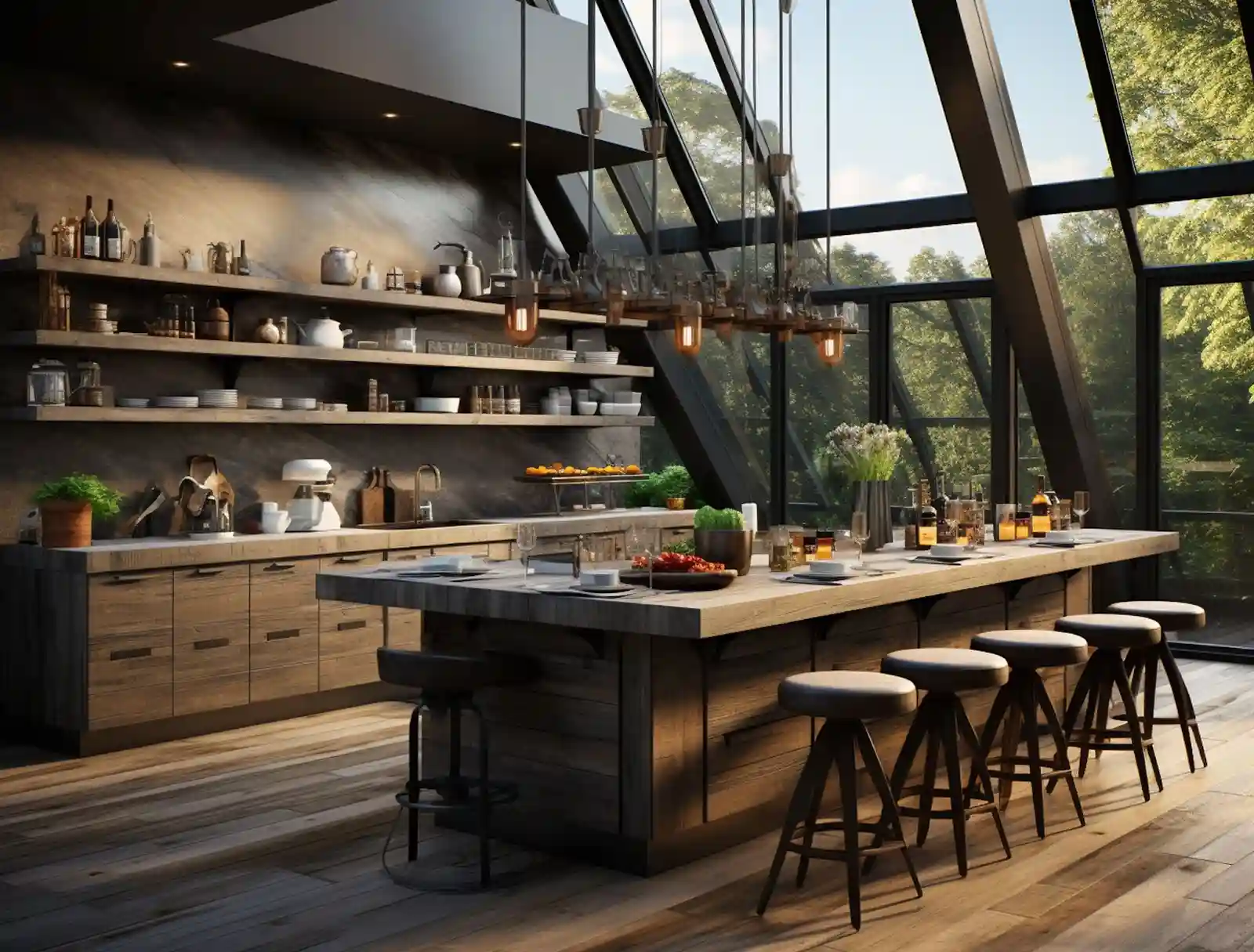
Outdoor kitchens are the new style of modern homes, where people can cook, entertain, and enjoy the outdoors. Appliances and cooking structures are indispensable, but landscaping is significant in the design of a workable and warm outdoor kitchen.
Land landscaping is not just a prerequisite to aesthetic value; it increases usability, safety, and comfort. This is the role of landscaping in an effective outdoor kitchen.
1. Defining the Space
Landscaping can be used to delineate the outdoor kitchen space and achieve a distinct division between cooking, dining, and relaxation areas. Plants, bushes, or low walls in strategic locations can define boundaries without making the space appear enclosed.
The kitchen space is further defined by pathways, patios, and stone or wooden decking, directed movement, and increased flow. Clear space gives the possibility to cook, serve, and socialize without any distractions.
2. Enhancing Aesthetics and Ambiance
Landscaping enhances the appeal and appearance of an outdoor kitchen. Greens, flowerbeds, and decorative trees offer natural beauty, whereas water features or garden lighting give it some elegance.
Plants that match the materials by which the kitchen was furnished, i.e., stone countertops, wooden pergolas, or stainless steel refrigerators, will produce a visually and stylistically complete design. The use of landscaping makes the kitchen look like an extension of the backyard instead of a separate addition.
3. Providing Shade and Comfort
Outdoor kitchens are exposed to the sun, which may make it uncomfortable to cook on hot days. Natural shading is done through landscaping features such as trees, tall shrubs, or pergolas with climbing plants, which minimize heat.
Well-positioned vegetation also prevents wind and dust, thereby making the cooking and eating area more friendly. Homeowners can create a pleasant outdoor kitchen by taking into account sun orientation and airflow to use it all day long.
4. Maximizing Privacy
Outdoor spaces consider the issue of privacy. Landscape can be used to provide natural fences that can keep your outside kitchen from passersby or neighbors.
High hedges, bamboo screens, or stacked planting beds contribute to a feeling of privacy but at the same time make the space open and airy. You can also host guests outside your house with an exclusive kitchen without fear of disruption or exposure.
5. Improving Safety and Functionality
The landscaping helps to make the outdoor kitchen safe by delineating walkways, avoiding slips, and directing traffic. Non-slip paving, well-lit paths, and plant positioning minimize the chances of accidents.
Also, landscaping may serve as a barrier, preventing children and pets from touching hot cooking areas. Homeowners can also have the space without sacrificing functionality by incorporating safety in the design.
6. Supporting Sustainability and Maintenance
Sustainable landscaping can also be used to create an outdoor kitchen that is more convenient and less costly to maintain. Native plants provide a healthy backyard environment that uses less water; drought-resistant plants provide the same and attract pollinators.
The appropriate landscaping also keeps kitchen buildings out of the water and offers natural cooling, minimizing energy consumption in the interior.